Bringing a better cold chain to Rwanda’s livestock farmers
Farmers are already benefitting from Zipline animal product delivery.
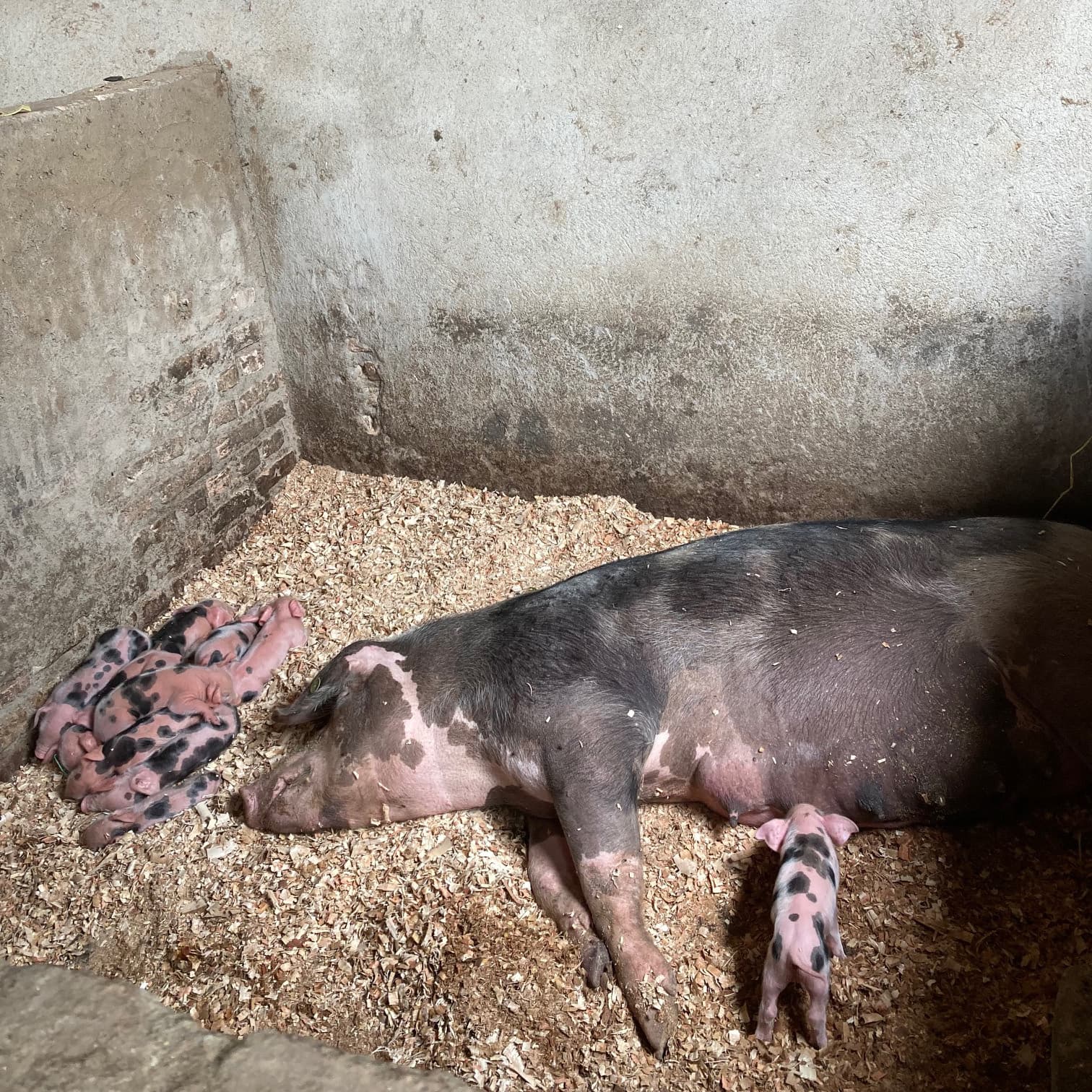
Alvera Uwamariya has farmed pigs since 2020, when she bought acreage in Rwanda’s Ruhango District using a government grant for women in business. Today, her herd includes 150 pigs, 35 of which are piglets bred using swine sperm delivered by Zipline.
Uwamariya is one of many farmers who the government of Rwanda helps to raise high-quality livestock to improve access to good nutrition in communities. So far, hundreds of farmers have upgraded the breeding process through Zipline’s partnership with the Rwanda Agriculture Board.
Traditionally, farmers looking to breed pigs had to wait for someone who owned a boar to walk through town, hopefully when sows were in heat. This method could spread disease and endanger animals and didn’t account for genetics or prevent inbreeding.
Artificial insemination is a better strategy. But with ground-based logistics, farmers struggle to get semen to fertile sows without it being damaged—and therefore less effective—due to long travel times and exposure to heat.
Zipline, on the other hand, delivers pig semen directly to facilities where farmers and agrovets can pick them up. Deliveries sync with farmers’ breeding schedules, and Zipline’s cold-chain capabilities maintain the viability of the semen, which is sensitive to temperature changes.
“When I order swine semen from Zipline, I know it’s going to arrive faster, when the sow is in heat,” says Uwamariya. “Also, I know the sperm is from a high-quality pig, and I’ll have bigger, healthier babies.”
Since the service launched in January 2022, Zipline has begun delivering to more than 472 facilities across Rwanda. In 2023, Zipline delivered 13,698 units of swine semen, resulting in tens of thousands of piglets born.
Going forward, Rwanda will grow the program with help from a 2023 USAID grant. The grant—administered under the Orora Wihaze Project and implemented by Land O’Lakes Venture37—will fund community education and the country’s first system to track livestock genetics, along with deliveries of more than 12,000 units of swine semen. The program should reach thousands of additional farmers as well as hundreds of agro-veterinarians and community animal health workers. The ultimate goal is to support the Orora Wihaze Project’s work to improve access to high-quality, animal-sourced foods, such as pork.
Already, Uwamariya says, Zipline delivery has helped her business. She’s on a WhatsApp group for farmers, and when people in the area hear she has a new litter of Zipline piglets, they’re eager to buy.