De-stigmatizing HIV/AIDS care through drone delivery
In western Kenya, two major barriers prevent young people from seeking HIV and AIDS care.
The first is logistics. Patients who begin HIV/AIDS treatment must take it indefinitely, and managing their supply is a lifelong challenge. This is made harder when severe weather events such as flooding cut off access to health centers.
While logistics presents challenges, “The biggest barrier here has been stigma,” says Beryl Owuor, a clinical officer at a Level-4 hospital in Ndiru.
Young people—especially those who live in rural areas—don’t want to visit a clinic that may be staffed by people they know, explains Caleb Wanjala, the technical lead of global health at Zipline. “They don’t want members of their community to see them going to the Comprehensive Care Clinic, which provides all sorts of sexual and reproductive health services, because it’s associated with HIV-positive patients.”
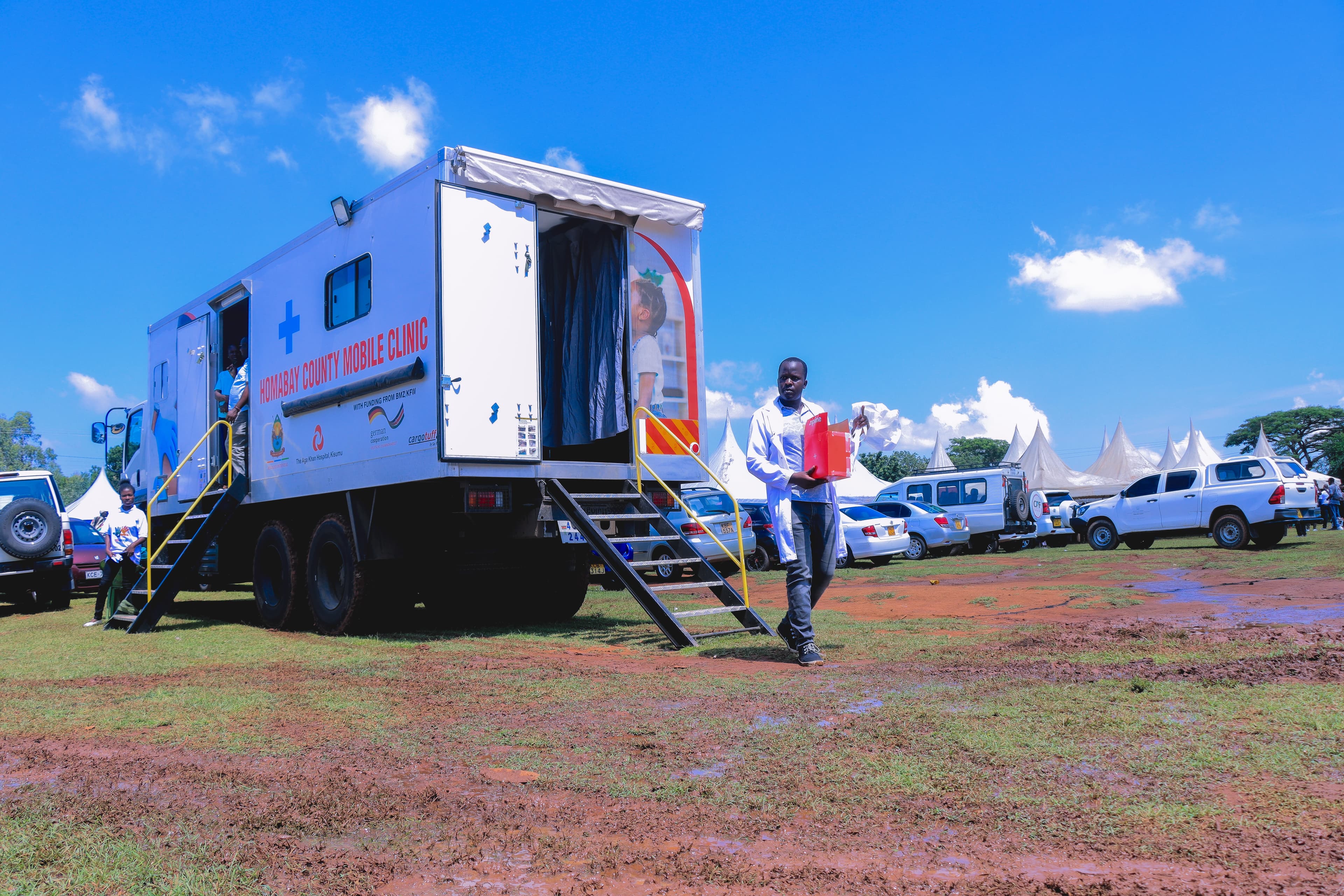
To solve both the logistics and the stigma problem, government leaders in Kenya have brought a new tool to the fight against HIV/AIDS. In March 2023, officials in Kisumu County, Kenya launched a partnership between the Elton John AIDS Foundation (EJAF) and Zipline to deliver reproductive health education, prevention, and treatment supplies to places where young people gather.
The goal of this new, stigma-free approach is to bring down HIV/AIDS infection rates in Kenya, where people 24 years-old or younger account for up to 60% of new infections1 for all sexually transmitted diseases, including HIV/AIDS.
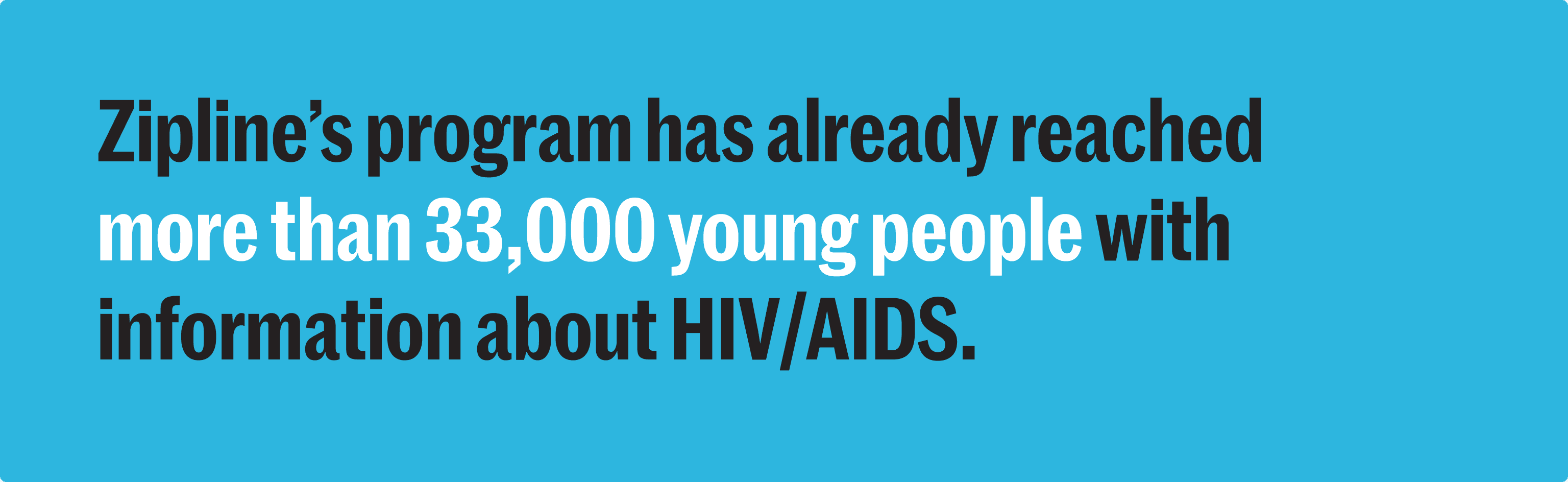
Zipline’s program has already reached more than 33,000 young people with information about the disease. At community events, clinicians have distributed more than 61,000 Zipline-delivered condoms. Approximately 6,000 people have engaged in counseling or taken Zipline-delivered rapid tests. Over 750 have started either pre- or post-exposure prophylaxis and 22 have been diagnosed with HIV.
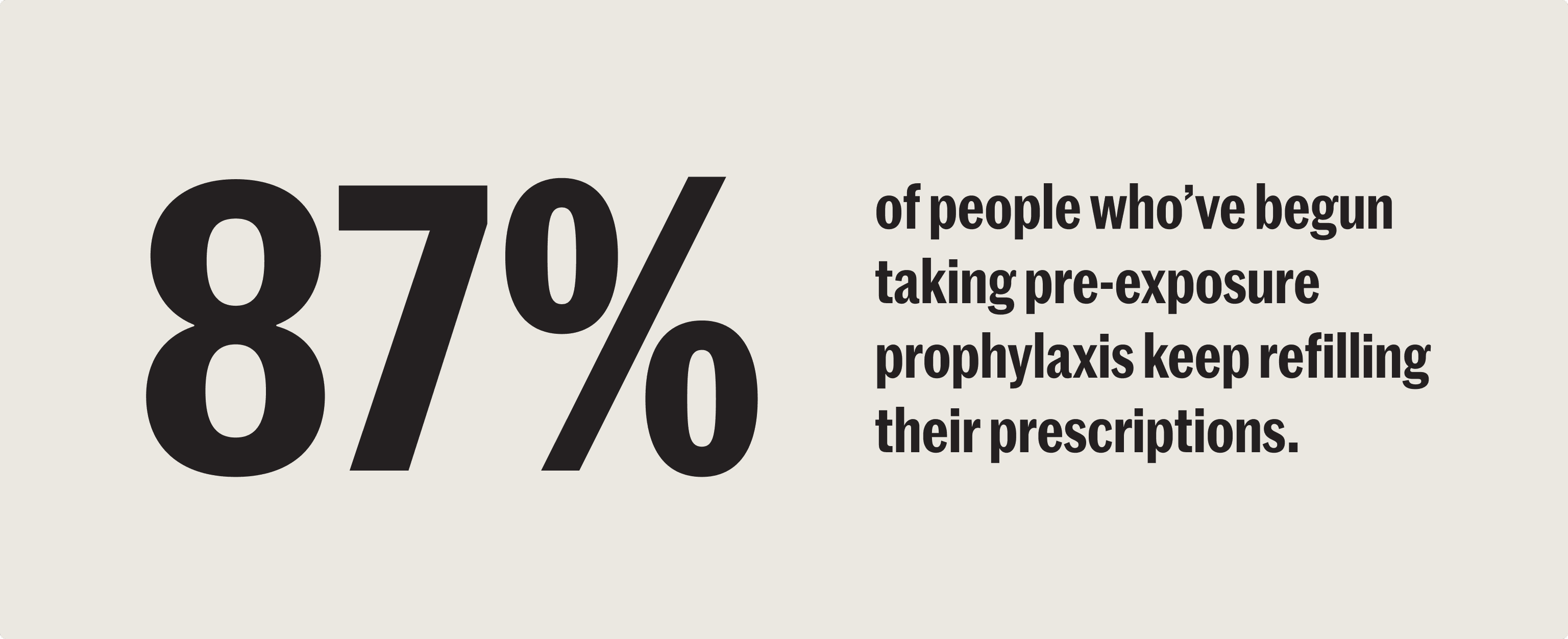
Most importantly, patients who start treatment through this program tend to return. Among patients due for refills at one, four, and seven months, an average of 87% of people who started taking pre-exposure prophylaxis were still refilling their prescriptions. That’s significantly higher than the typical retention rate which is, at best, 20% after one month.
The program also makes it easy for people who start the program to get refills, decentralizing the process and bringing it out of the brick-and-mortar healthcare system.
“Initially, we could serve very few youths in our hospital settings,” Owour says. “But given the new approach where we take the services to the people using drones, we have had up to 100 times of the former visits.”