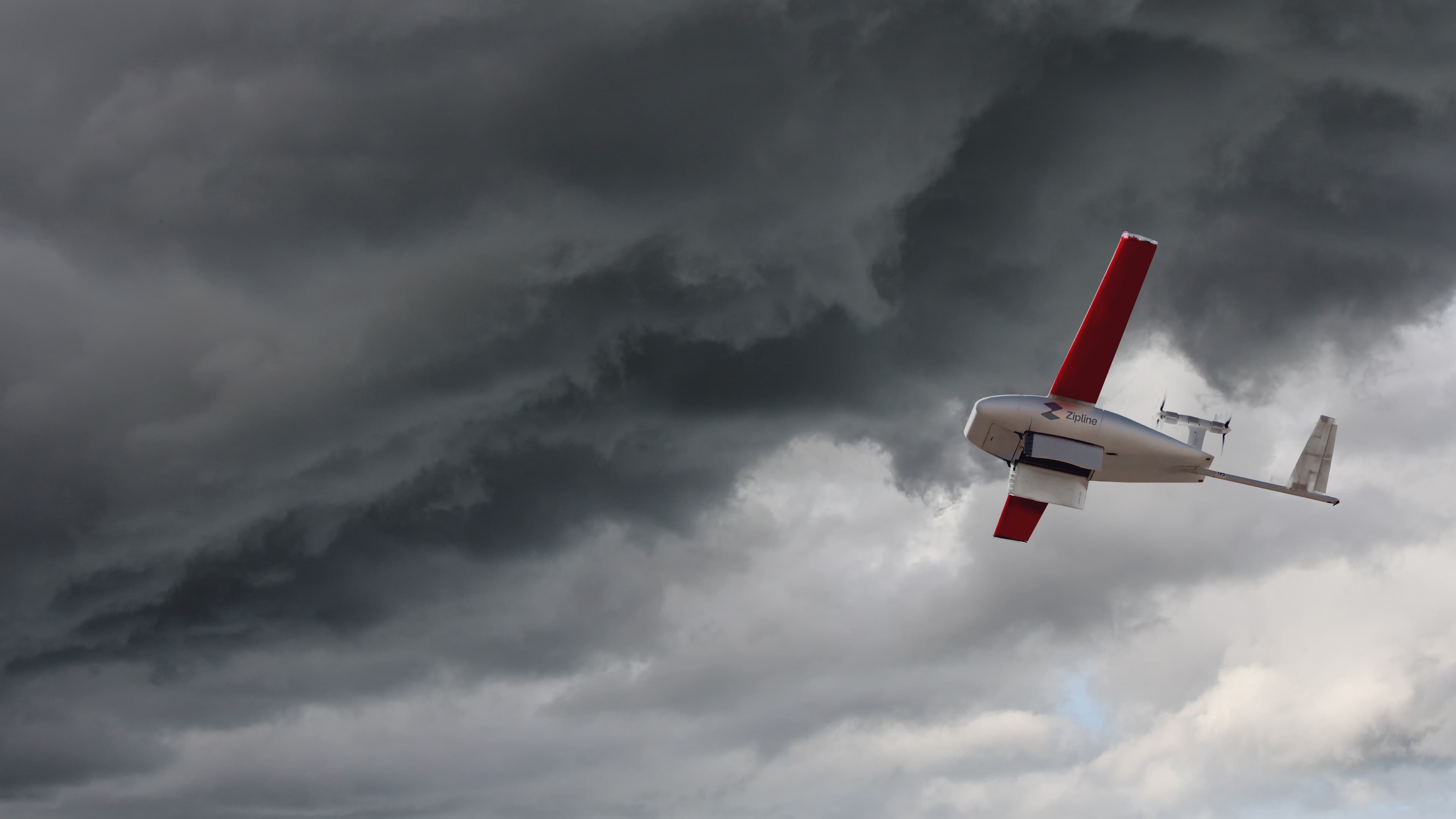
How Zipline turned its aircraft into flying weather stations
Zipline collects real-time weather data from an unexplored portion of the airspace. At scale, more accurate weather predictions could change how we fly in the skies and live on the ground.
Weather is aviation’s biggest bugaboo. In the U.S., about 70% of delays in commercial flights are due to weather, according to Federal Aviation Authority statistics, and weather is a key factor in nearly a quarter of aviation accidents.
When Zipline launched in Rwanda in 2016, bad weather meant delays in critical deliveries of blood for emergencies. Rwanda’s severe, unpredictable weather created situations where flight operators, ready to launch a Zip, could see a storm gathering over the horizon while doctors were waiting on supplies.
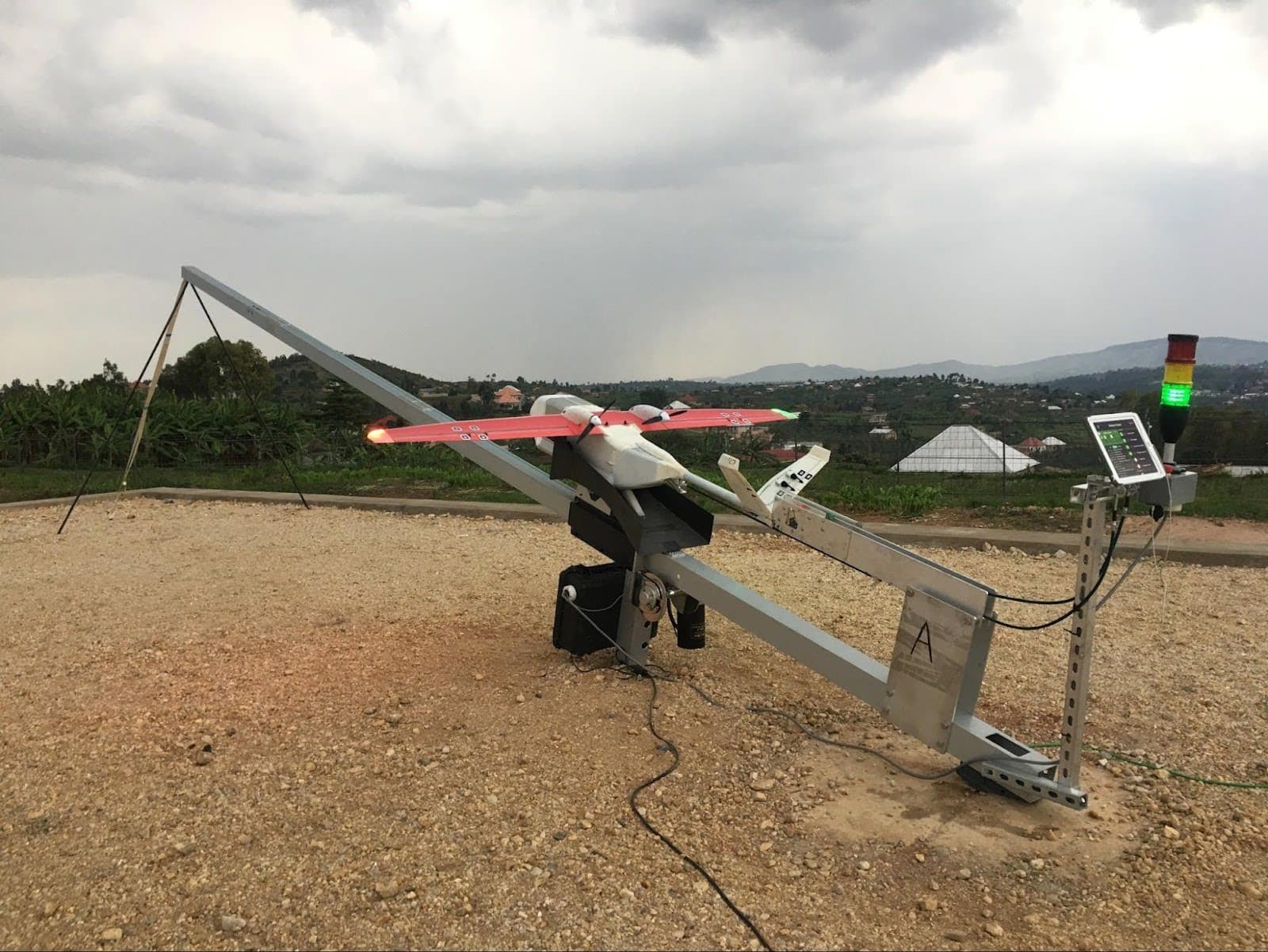
“In that situation, the safest thing to do is to not launch the Zip,” explains Eric Watson, an aviation regulation expert at Zipline. “But when you’re running operations that positively impact the health of people on the other end, that calculus has to change.”
Zipline engineers needed data about the airspace where Zips fly, hundreds of feet above the ground. The problem was, Zips fly thousands of feet below cruising altitude for commercial jets, which meant no one else had the data Zipline needed.
Zipline engineers had to fill that gap and build a safety system that both collected new weather data and enabled Zips to make smart, safe choices while completing deliveries. In the process of building it, Zipline has created what could be the weather prediction system of the future.
“The weather system we are building now could inform everything from ultra-precise flight planning to climatological research,” says Zipline CTO Keenan Wyrobek. “We’re getting invaluable information about a relatively unexplored slice of the atmosphere.”
Aviation’s weather problem
While current weather forecasting is well studied for commercial airliners, it’s a different story for small, autonomous vehicles like Zipline drones that fly low over hills and mountains in stormy weather, says Zipline engineer Joseph Sheedy. “Almost nobody else does that.”
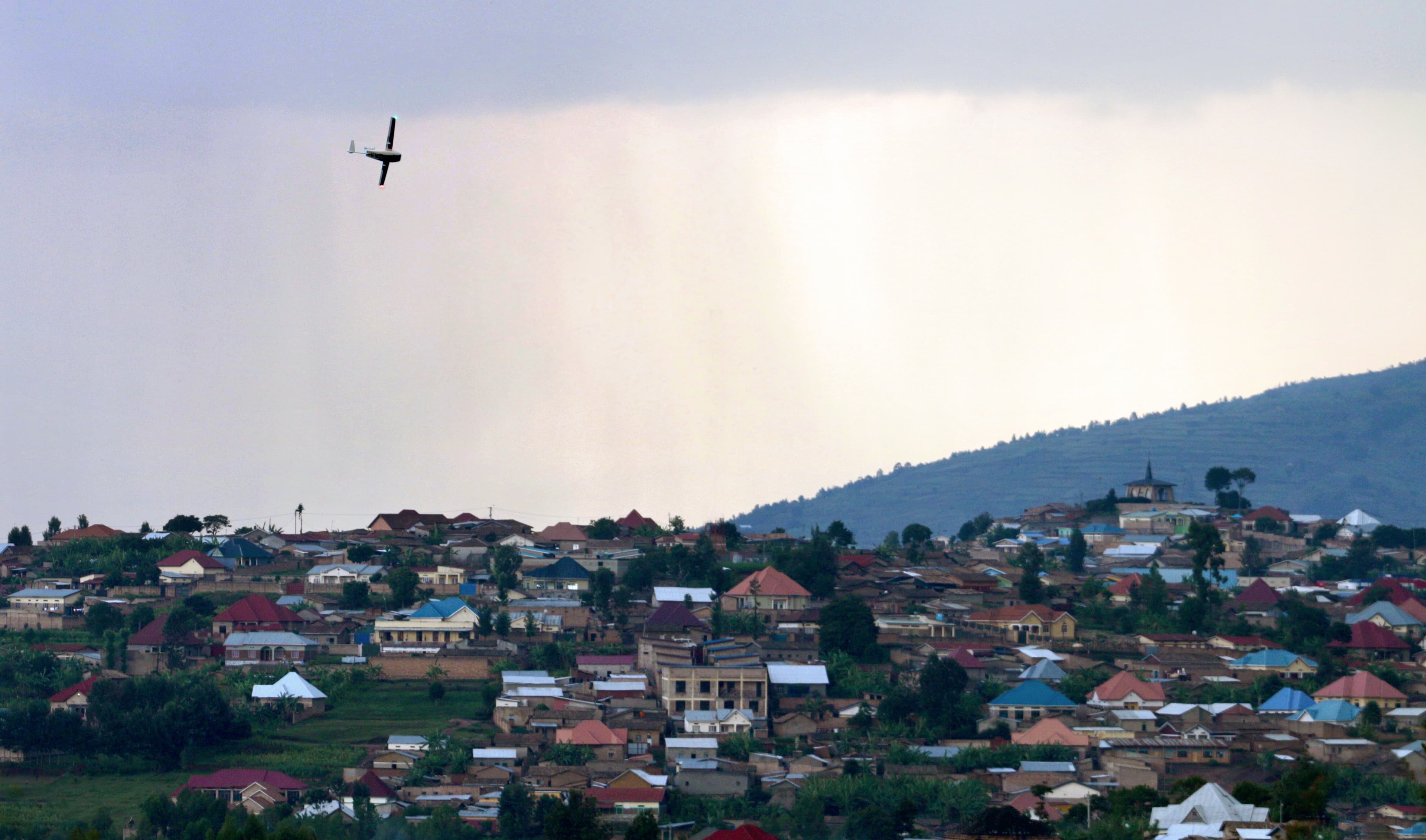
The ground itself transforms weather patterns that affect low-flying aircraft. “Because we’re close to the ground, we’re seeing eddy currents and experiencing how wind is shaped by buildings, mountains and hills,” says Zipline co-founder Ryan Oksenhorn. This is something we all experience. “On a windy day, you can step out of a building and, depending on which side you’re on, you experience different weather,” he says. “That’s because the building is shaping the wind.”
Besides navigating weather shaped by terrain, Zips have to avoid an extreme weather event called a gust front. Gust fronts happen the moment a thunderhead forms, and massive, 50-mph updrafts and downdrafts can force aircraft to the ground.
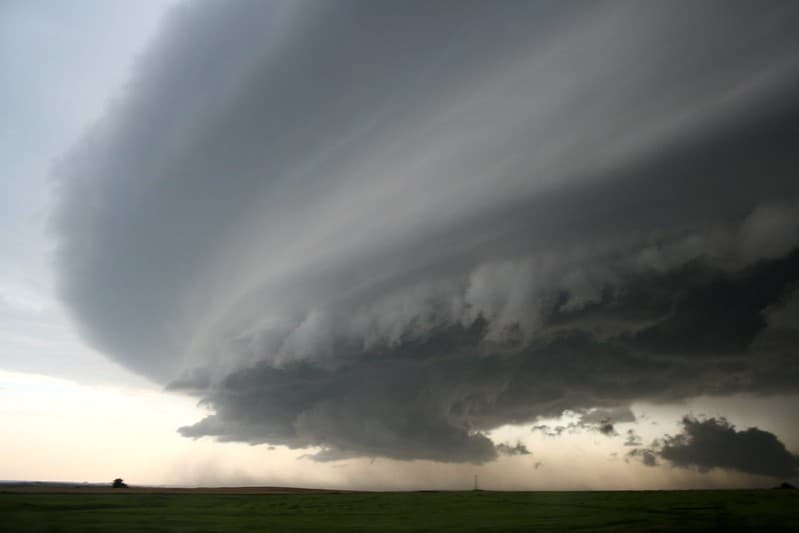
To address this, engineers radically improved the flight software, optimized the propulsion system to climb faster during downdrafts, and upgraded the route planning system so Zips can fly around and through storms. At a certain point, they hit what Wyrobek calls “the knee in the curve.”
“We got to the point where the only way to improve our ability to handle these conditions would have been to make a much bigger aircraft, which wasn’t an option,” he says. “We knew we had to find a way to avoid the most extreme conditions altogether.”
The answer, the team decided, would be to hire a meteorologist—but not just any meteorologist. They needed one who would be comfortable breaking into the field of weather for unmanned aircraft systems.
In 2020, they found the right person for the job.
Meet Zipline’s meteorologist
Enter John Celenza. “I was like, this person is perfect,” Watson remembers. “He was instrumental in creating one of the best meteorological forecasting tools, Weather Underground. He’s also a world-class software engineer who is passionate about Zipline’s mission.”
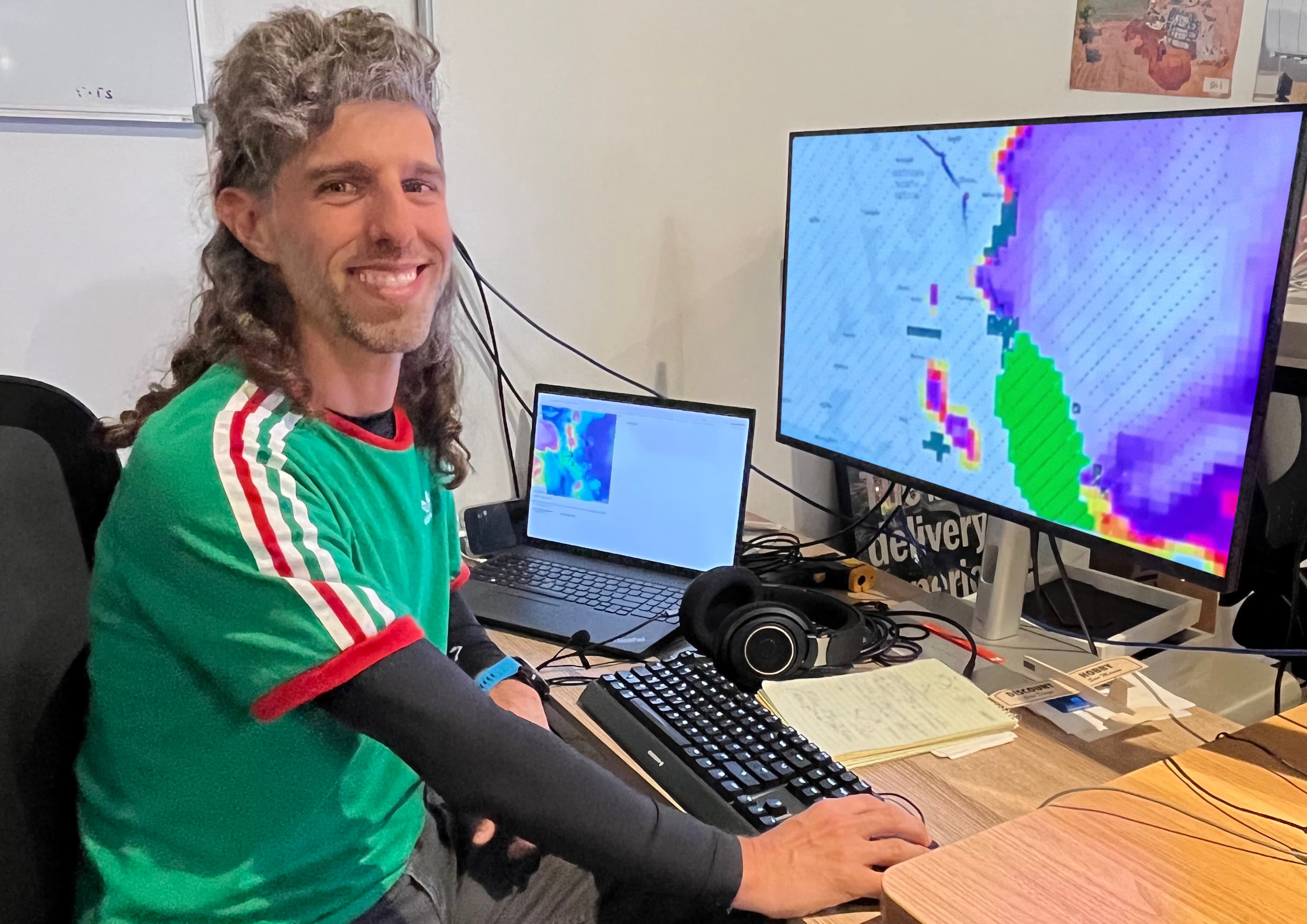
In the years between launching Zipline and onboarding Celenza, our fleet of Zips, acting as flying weather stations, collected over a billion data points—including wind, temperature, and pressure data—through sensors on the drones.
“We don't have a weather vane on the aircraft that tells us the magnitude and direction the wind is blowing, like a station you picture on the ground,” Watson explains. “Instead, the Zip measures position, velocity, orientation, and acceleration. If you have all that information, you can back out the forces that must be acting on the drone, which tells you which direction and how fast the wind is blowing.”
Zipline had also scaled significantly. “In 2020, we persistently had 50-100 Zips in the sky, evenly distributed around the country in Rwanda,” Oksenhorn says. “Our ‘aha’ moment happened when we brought in John, and we had the combination of all of that data and the right expert. We had tons of data, but we needed someone who understood the physics of weather.”
For example, one of Celenza’s top priorities was to keep Zips away from gust fronts. Zipline engineers had known that they happen, but Celenza understood why.
“When a thunderstorm forms, rain falls to the ground very quickly because it’s cold. When it does, it brings a lot of air with it. When the air hits the ground, it spills in all directions, creating a gust front,” Celenza says. This portion of the storm is powerful enough that U.S. air traffic controllers ground commercial planes to avoid them. U.S. airports have wind shear detection systems that predict where they may happen.
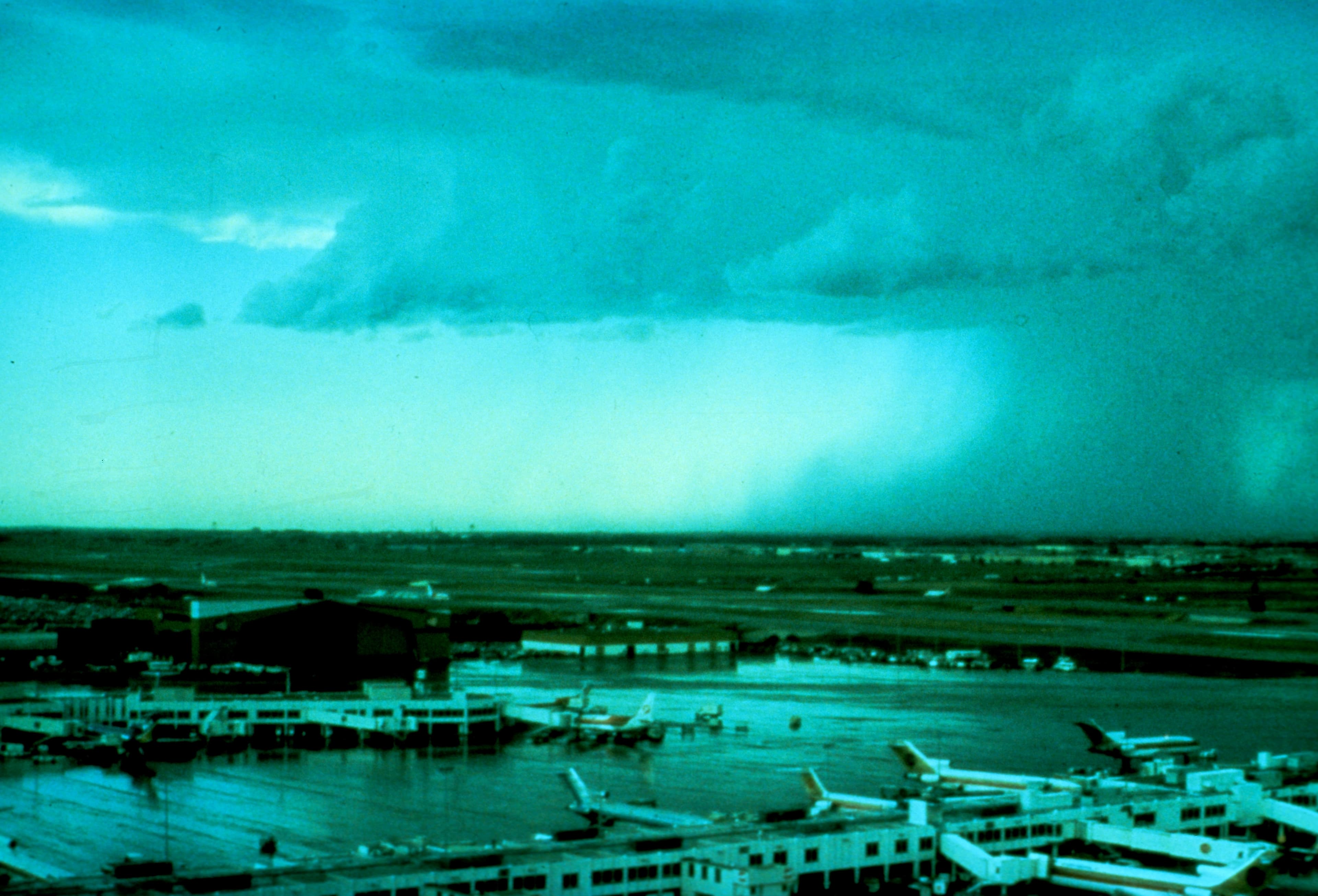
Zipline drones often fly far from airports and any type of ground-based weather station. Luckily, Celenza says, “Our drones are weather stations—if those weather stations were flying around at highway speeds constantly. This means that if you look at Rwanda, where our fleet is in the air constantly, we’ve effectively populated the airspace with weather stations.”
Celenza began taking third-party weather satellite imagery of Rwanda and mapping it against data collected from Zipline drones. “We learned the mathematical relationship between the images we saw on the satellites and the presence of high winds where Zips fly, closer to the ground,” he says. “With that, we could forecast maps with reliable information about wind speed, based solely on the satellite picture.”
With this tool, Zipline could safely keep drones in the air that otherwise would have been grounded.
“We moved from a system that relied on guesswork and human judgment to something more scientific and automated,” Oksenhorn says. “We’re unburdening people of the responsibility to make a decision without all the data. This tool can help people make that decision and keep the airspace safe.”
The result is that, as Zipline has completed more than a million commercial deliveries, Zips can safely navigate more types of weather conditions than ever before.
Perhaps most exciting, Zipline’s weather system could bring a new type of meteorological data anywhere it operates.
Zipline’s weather system at scale
“When we’re at scale around the world, we could be the best source of weather forecasting data for every country,” Wyrobek says. This type of weather data will not only be useful for Zipline, but for everyone.
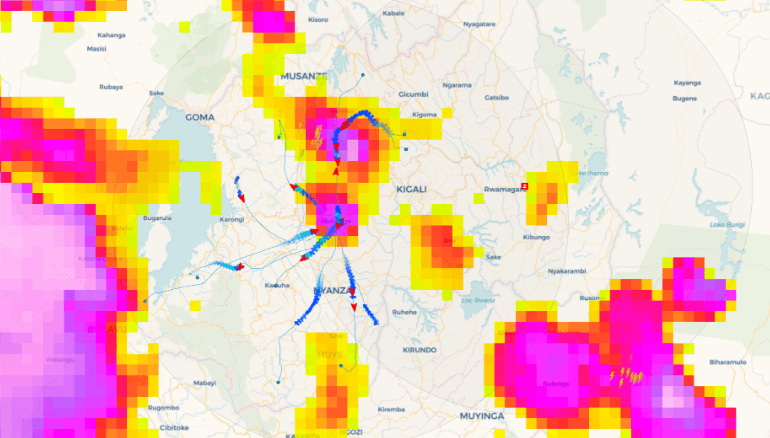
“One of the key differences between us and others measuring meteorological data is that we are doing everything in real time,” says Reza Ehsani, a machine learning engineer at Zipline. He explains that the type of real-time data Zipline alone is gathering could be extremely useful for people researching climate change.
“Most climatological models are based on data collected at the surface, about 10 meters above the ground, which is modified by local buildings and trees,” he says. “But the layer of weather data we’re collecting 100 feet above the ground is going to be very important in the next decade.”
Zipline’s weather team will also continue to make the system more precise. “Given just how timely and local we are, Zipline could usher in a new generation of forecasting compared to what’s done today,” Wyrobek says. “We will adjust flight paths in real time to avoid gust fronts, fly a few kilometers around them, and get back on course.”
“The weather system we are building now could inform everything from ultra-precise flight planning to climatological research. We’re getting invaluable information about a relatively unexplored slice of the atmosphere.”
Really, Sheedy says, the potential for Zipline’s weather system is blue sky. “I’m pretty excited about how we’re discovering tools and predictive capabilities. Basically, we’re entering the field of weather systems for UAVs and cracking it wide open.”
Just like Zipline built a predictive tool for wind and rain, it could build one for any number of weather conditions that affect flight, and the rest of us on the ground.