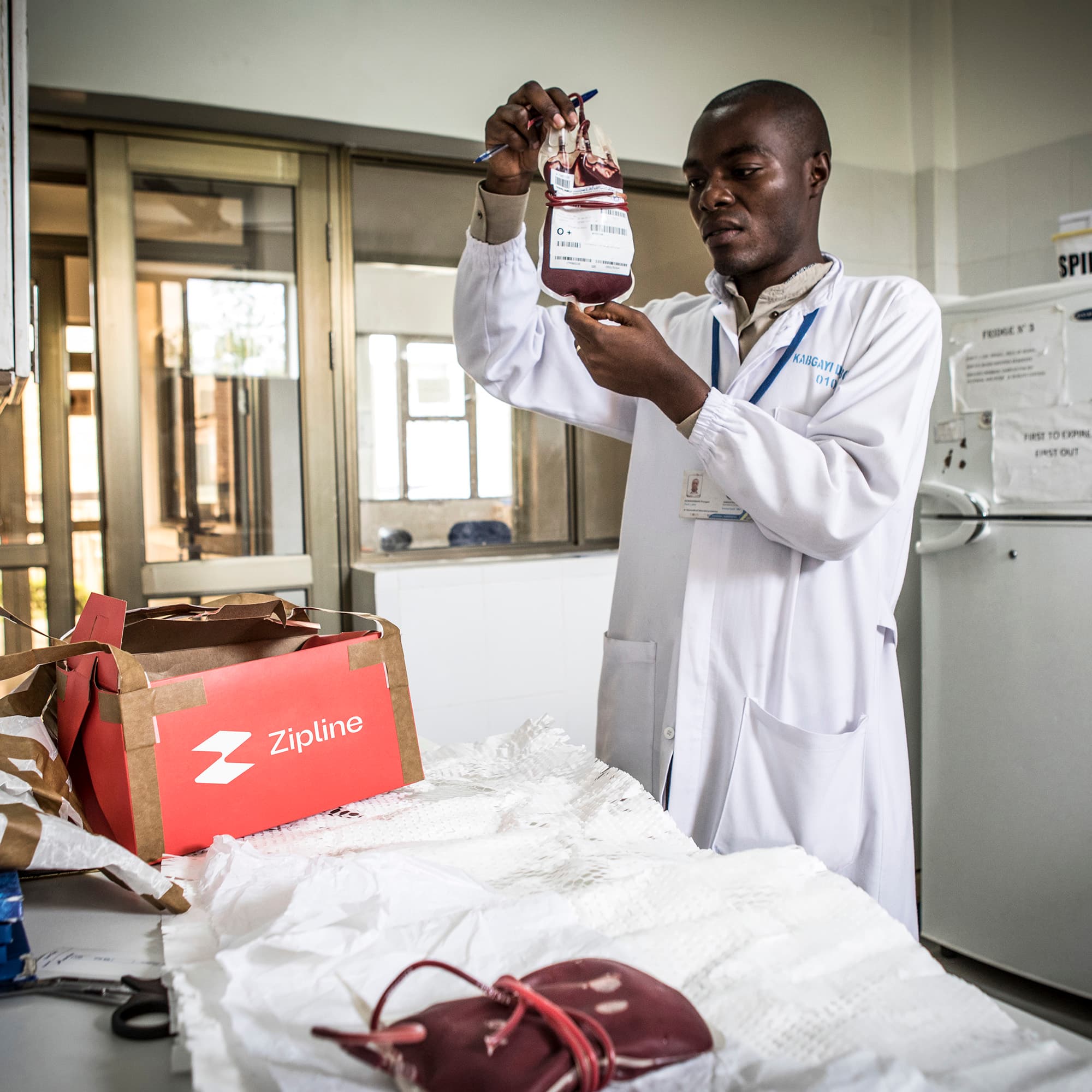
Preventing maternal deaths through faster blood delivery
Zipline blood delivery has saved the lives of mothers and children in Rwanda.
The status quo
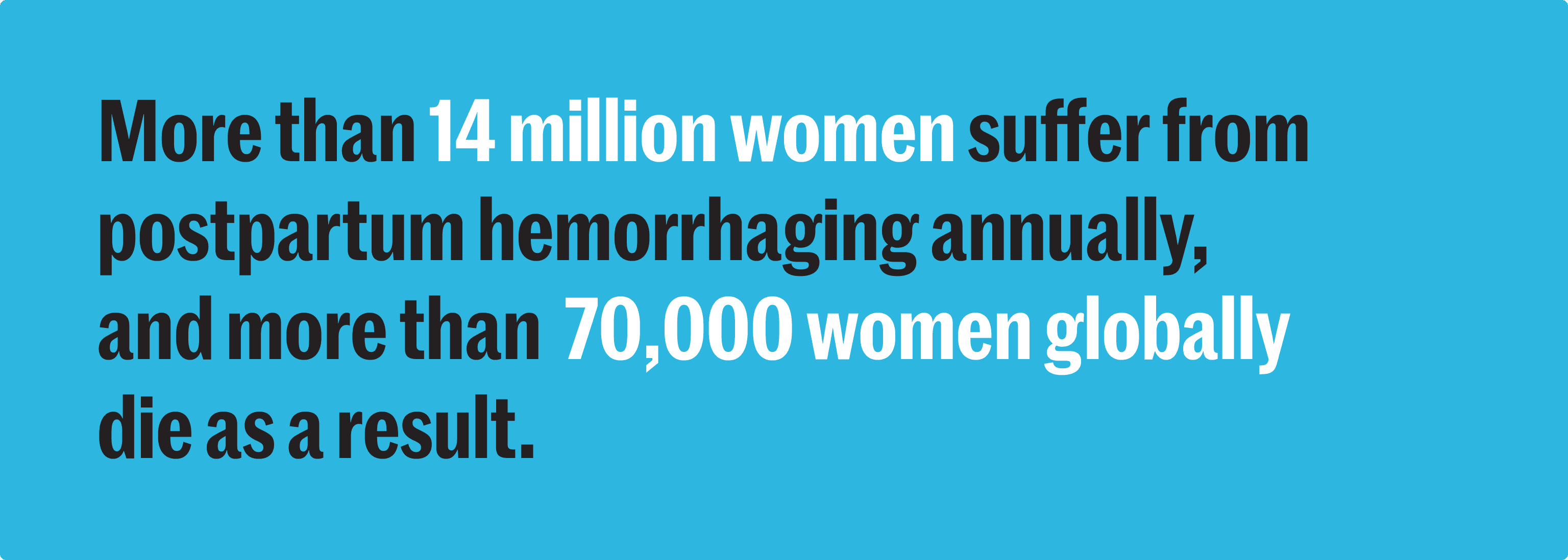
Every year, more than 70,000 women die from postpartum hemorrhage, or PPH,1 which is the leading cause of maternal death in the world. More than 14 million women suffer from PPH annually. Survivors have a greater-than-average risk of health complications such as post-traumatic stress disorder and cardiovascular disease.
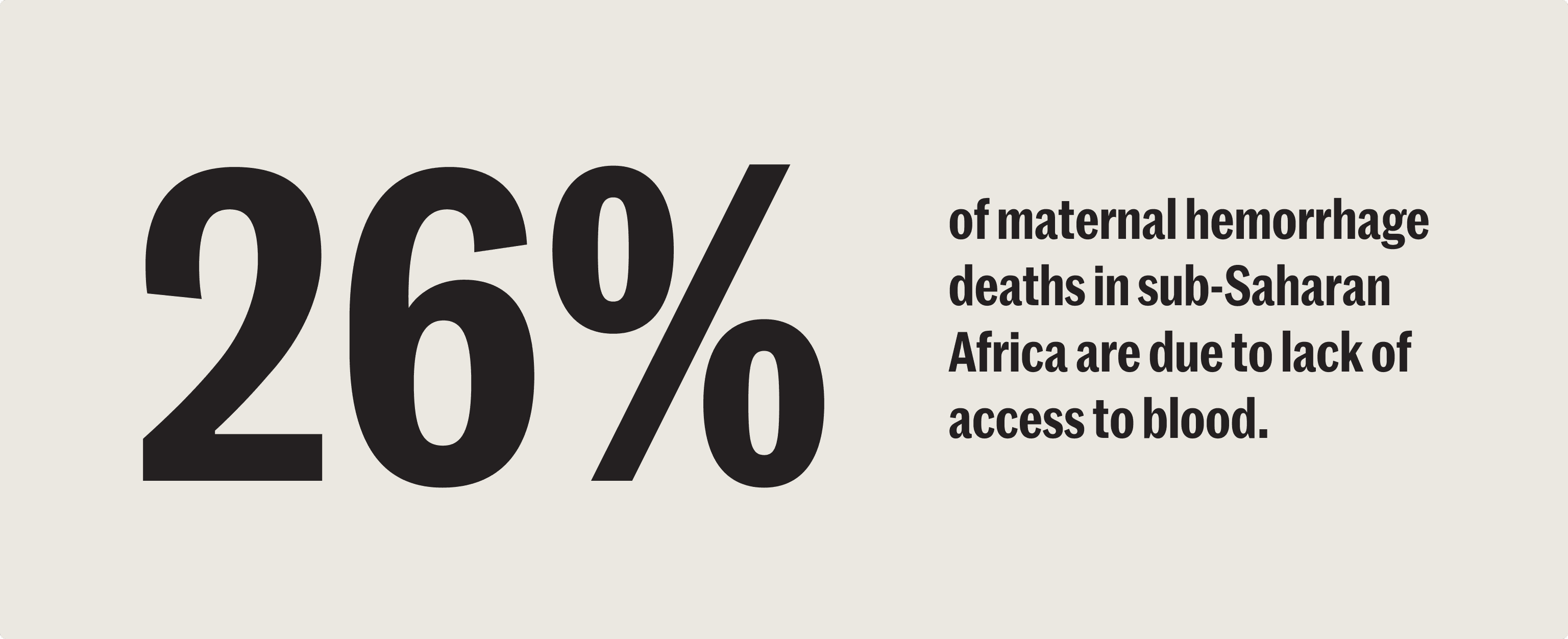
In sub-Saharan Africa, 26% of maternal hemorrhage deaths2 are due to lack of access to blood. In Rwanda where Zipline operates, PPH causes nearly a quarter of documented maternal deaths.3
Zipline’s role
Before Zipline, clinicians in Rwanda often struggled to get the blood they needed to save mothers’ lives. Healthcare workers transported blood in refrigerated trucks for hours across hilly terrain from the Regional Center for Blood Transfusion to hospitals and clinics.
Clinics had limited cold storage, so staff had to carefully manage stockpiles of whole blood, which has a refrigerated shelf life of about 35 days.4 Frozen blood products were effectively unavailable. This forced doctors to use whole blood, even in cases when fresh-frozen plasma, which can help with clotting, would have been more clinically appropriate.
Our impact
Today, Zipline delivers blood, platelets, fresh-frozen plasma, and a plasma component called cryoprecipitate to clinical staff caring for laboring mothers at all hours of the day, within an hour of the order being placed.
In 2023, Zipline delivered a total of 28,754 units of blood—over four thousand gallons—to patients in Rwanda in critical condition, the majority of whom were women in critical moments of delivery. Zipline delivered blood, on average, within 42 minutes of the order being placed.
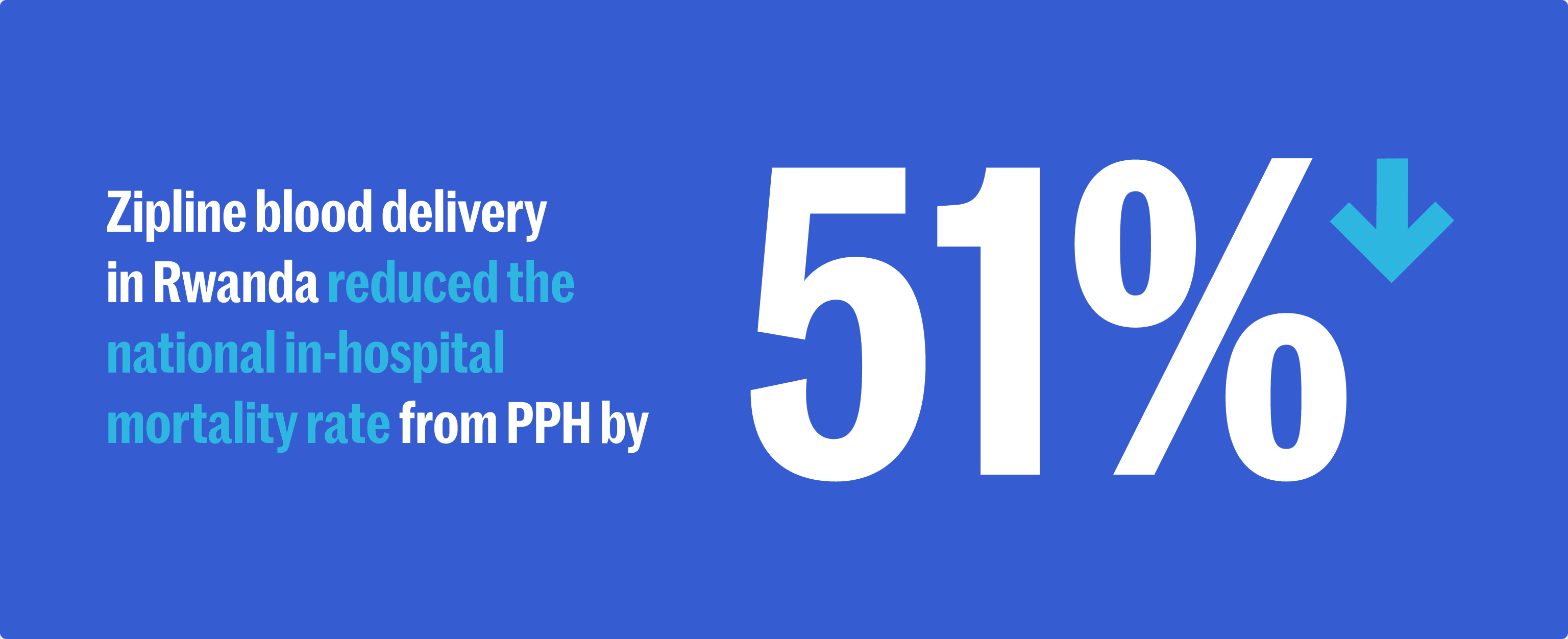
By simply improving blood delivery logistics, Zipline and the Ministry of Health in Rwanda significantly reduced the risk of maternal mortality in the country. A 2023 study published by researchers at the Wharton School at the University of Pennsylvania in collaboration with the MOH determined that Zipline blood delivery reduced nationwide in-hospital mortality from PPH by 51%.5
Blood is only one of the products Zipline delivers to promote maternal health and improve outcomes for women with PPH. Clinicians can also order oxytocin, tranexamic acid, misoprostol, magnesium sulfate IV fluids, and a wide range of antibiotics, all of which are used to treat childbearing women. In total, the government of Rwanda has saved people’s lives, improved the quality of life of their families, and saved money by decentralizing the national blood supply through instant logistics.