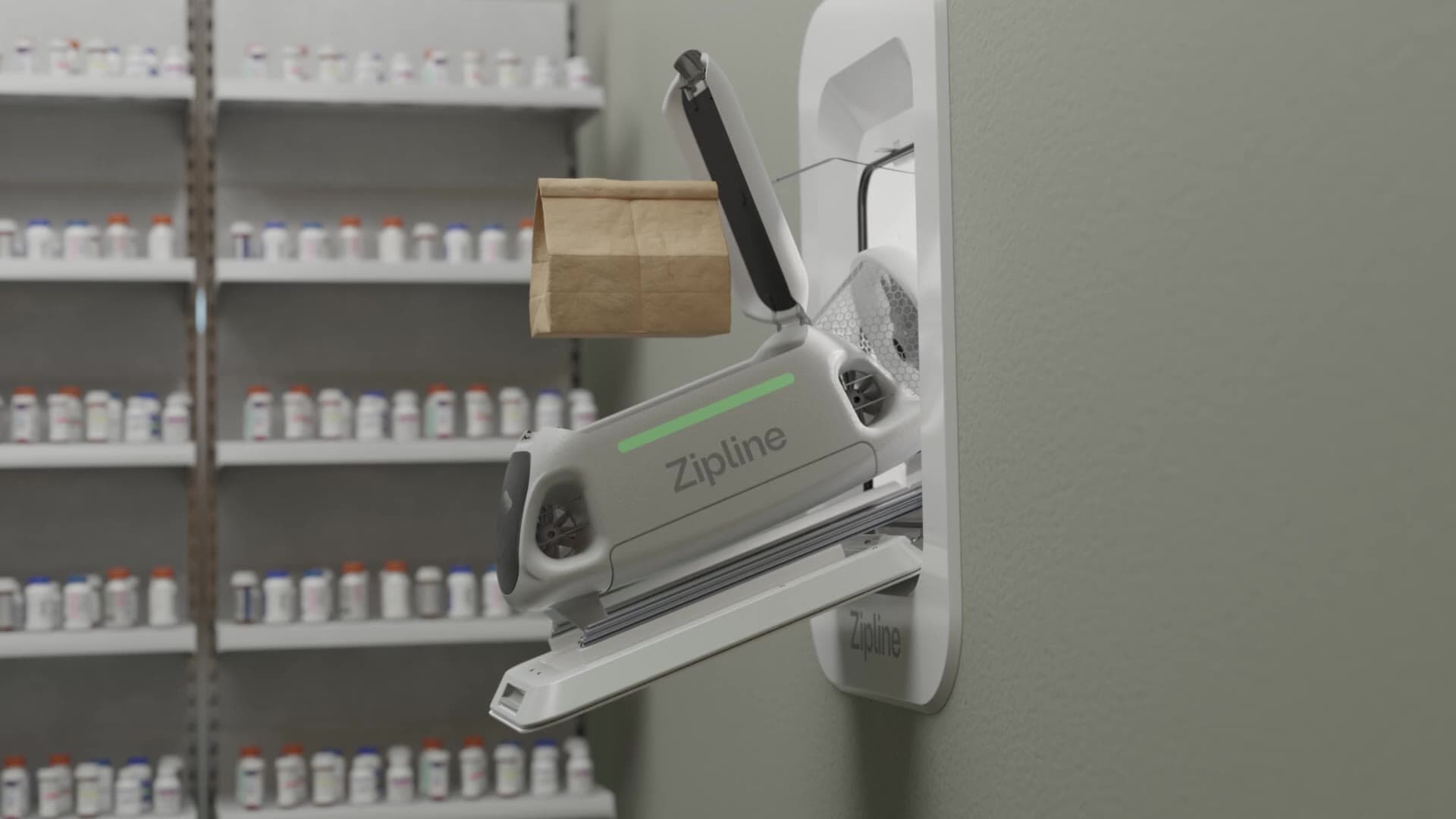
When to invest in robotics for healthcare
Handing over the task of transporting goods in healthcare could improve patient experience, cut costs, and support growth for health systems.
There’s no doubt that AI and robotics will be part of the fabric of hospitals of the future—already this field is transforming healthcare. The question for healthcare leaders is where to invest.
Today, there’s a tremendous opportunity to improve patient experience and cut unnecessary costs while making life easier for physicians and clinical staff: it’s time to turn the work of transporting the goods necessary for healthcare over to robots.
The status quo is that people move medication, diagnostics, and supplies from point A to point B within hospitals. Outside of hospitals, the burden of fulfilling prescriptions falls on patients, who have to take time out of their lives to drive to pharmacies and wait in lines. But modern technology can get patients and hospital staff the healthcare supplies they need faster, more affordably, and more efficiently than traditional options for transporting healthcare supplies.
Why drone delivery works for healthcare
Drone delivery can move prescriptions, over-the-counter medications, temperature-sensitive substances, lab samples, and medical devices to patients and providers faster than other means of transportation. Because they fly hundreds of feet in the sky, drones avoid road traffic and delays that affect traditional couriers.
Simply getting providers and patients what they need in a better way can improve care. Drone delivery speeds up lab sample transport, improving test turnaround times and patients’ peace of mind. It supports healthcare workers, making sure they get the supplies they need exactly when they need them. And it can bring prescriptions directly to patients’ homes, on their schedule, eliminating the frustration of trips to the pharmacy and enabling better at-home care.
Simply getting providers and patients what they need in a better way can improve care.
Not only can drone delivery improve the patient experience; it also benefits providers. Small, electric, autonomous drones can operate at a fraction of the cost of human-driven vehicles. In fact, Zipline partners have estimated that autonomous drones could reduce delivery costs by up to 50%, boost pharmacy market share by 10%, improve home healthcare productivity by 20%, and increase the turnaround time for diagnostic results by 2-5X.
This may seem like science fiction, but healthcare leaders across the country are launching drone delivery programs. Intermountain Health already has, and several of the nation’s leading health systems—including the Cleveland Clinic, Michigan Medicine, WellSpan Health, Memorial Hermann Health System, and MultiCare Health System—are rolling out instant drone delivery programs, starting in 2025.
Three reasons healthcare leaders invest in drones
Investing in drone delivery has several advantages for healthcare leaders looking to improve efficiency while cutting costs at their systems.
- 1
It reduces delays and errors
With automated drone delivery, staff can load and track inventory and know exactly when it reaches its destination—whether that's another provider in the health system or a patient. This addresses a major pain point for staff—71% of nurses say, at least once a month, a medical courier delay or error impacts their ability to provide patient care.
- 2
Hospital leaders don’t have to become roboticists
For most healthcare robotics technologies, hospitals and health systems purchase machines, then have to manage onboarding and integration for staff who use and maintain them. That’s not the case for Zipline drone delivery, which provides a full end-to-end service. This means that Zipline owns, operates, and repairs drones and docking systems and also handles the software upgrades that keep the system running smoothly. Zipline is also responsible for aviation regulatory approvals and fulfillment tracking. In other words, drone delivery creates a relationship between the hospital and the drone company similar to that of a traditional courier, but with the benefits of advanced technology.
- 3
Drone delivery extends the reach of the hospital
Health systems are already investing in medical robots that can transport goods and supplies within a system. Automated robot assistants currently deliver lab samples, patient medication, and other supplies within hospitals. Automated drones can extend this principle—freeing up nurses and other staff for more patient care—not just within one facility, but between health systems, and, ultimately, from the health system to patients.
Nowhere does instant access have more potential than with patient delivery. Patients only enter the health system for a small slice of their time, yet their behavior is the single biggest driver of the outcome of their care. And yet, today, many providers require patients to go to pharmacies to get their medications. This creates issues for patients, up to 65% of whom said that problems getting to the pharmacy prevented them from accessing the care they need. Drone delivery that lets health systems bring prescriptions directly to patients’ homes brings the quality people experience at the point of care into the pharmaceutical delivery experience.
In the large and growing field of robotics and AI in healthcare, leaders can choose to invest in any number of new technologies. Many are promising. Among them, drone delivery is minimally disruptive and has potential to improve the experience of patients and providers and reduce costs for health system leaders. For transporting healthcare supplies, it’s time to let the robots take over.