How Zipline is bringing Ghana’s remote communities within reach
In Ghana’s Oti region, thousands of people live on islands, surrounded by the Volta River. During Ghana’s rainy season, the river swells, turning more communities into islands and cutting off access to supplies.
Supplies such as medical products and vaccines arrive on ferries that cross the river. When mechanical problems and other issues delay the ferry, vaccines spend hours unrefrigerated, which can make them less viable. Sometimes, the box shakes coming off the boat, vials break, and people go without vaccinations.
But on March 21, 2022, the Government of Ghana, which had been working with Zipline since 2019, launched commercial operations at its distribution center in the Krachi West district of the Oti region. Overnight, 60 health facilities, previously hard-to-reach, were within an hour of critical medical supplies.
Since launching in Kete-Krachi, Zipline has partnered with the Ministry of Health and the Ghana Health Service (GHS) to make 45,020 deliveries there, 1,185 of which have been to patients in critical condition. The rest have carried supplies doctors and nurses need to provide basic care: Antibiotic injections, antimalarials, blood and plasma supplies, pain relievers and infusions. On average, deliveries reach a health facility within 45 minutes of a health worker ordering one.
Not only has this saved lives, it has saved facilities money. Before Zipline's partnership with GHS, staff at health centers near Krachi traveled eight hours, both ways, for resupplies, often staying overnight. They had to bring ice packs to protect cold-chain products, which they’d drop at the regional health directorate before returning to their facilities. The process was time-consuming and taxing, especially for healthcare workers in island communities.
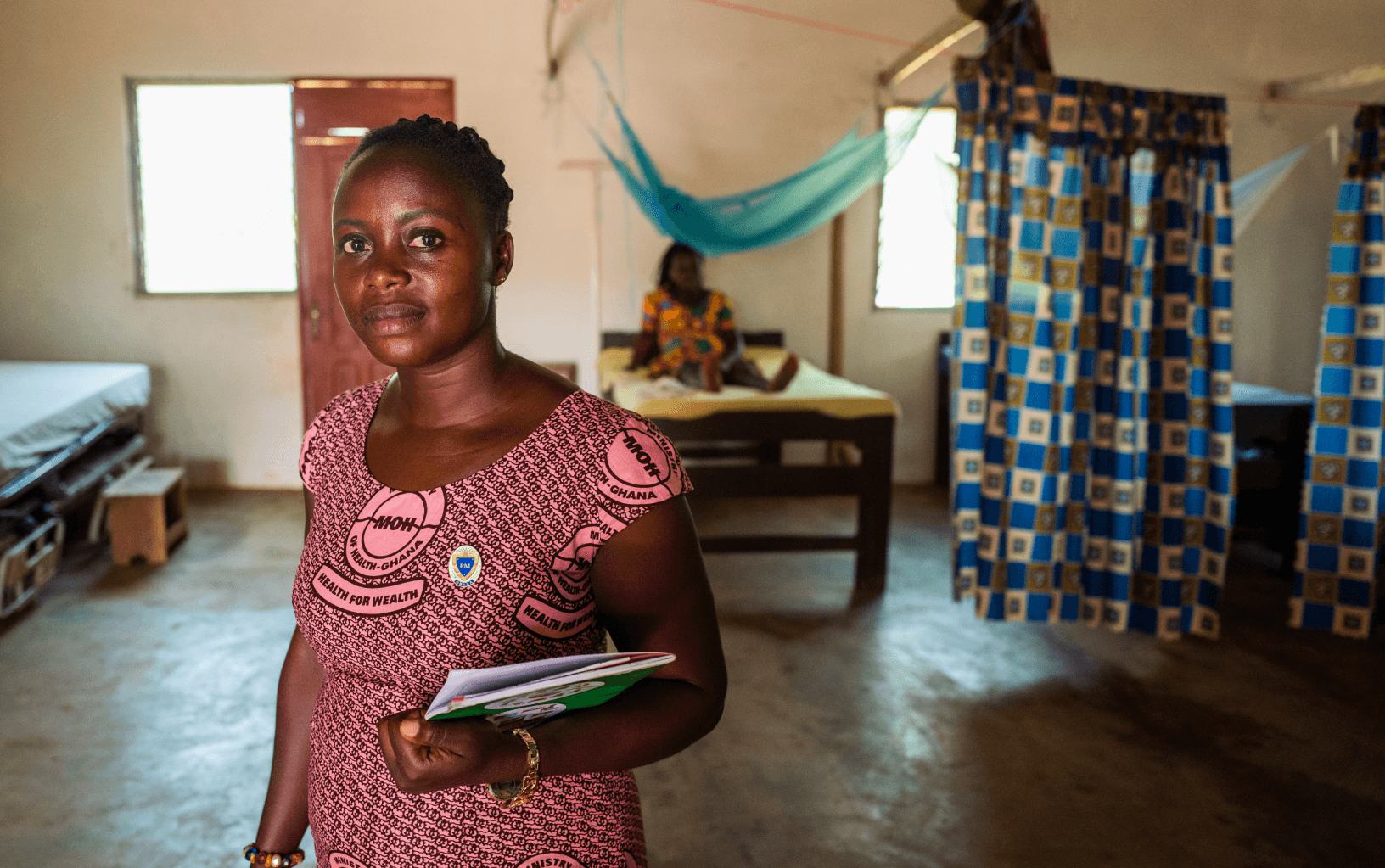
“Before Zipline, I used to charter a boat back to Krachi township whenever I ran out of vaccines during mass vaccination campaigns in island communities,” says Irene Lenteh, a nurse who works at the Community-based Health Planning and Services (CHPS) facility at Amewoyikope in the Oti region. Often, the expense of the boat ride and the safety risk during harsh weather prevented her from reaching some communities.
Zipline’s partnership with the government changed that. Now, she says, “I reach out to Zipline during outreach campaigns on island communities whenever I run out of stock, and the drones deliver the vaccines on time after the request has been processed.” Not only has this reduced the expense and toll of travel on the lake, she says, “More importantly, I am able to complete vaccination exercises without delays before heading back to the mainland.”
The Oti region is one of many hard-to-reach areas Zipline serves in Ghana. Zipline drones also fly to island communities in the Eastern region and those cut off by mountainous topography in the Volta region. Zipline delivers to the Western North, Northern, Northeast and Upper East regions, whose roads can become unnavigable, even by motorbike, due to difficult terrain.
Like Kete-Krachi, Ghana’s distribution center in the Upper East region serves areas affected by seasonal flooding. Just south of Burkina Faso’s Bagre Dam, communities in the region become islands when the neighboring country releases the floodgates. When that happens, Zipline becomes the only distributor of crucial medical supplies for those communities, in what’s called a sole distributorship model. Zipline’s distribution center in the North, Zipline Vobsi, has worked with GHS and the Ministry of Health to serve as the sole distributor of vaccines to 550 hard-to-reach health facilities in Ghana.
All told, Zipline serves more than 2,500 health facilities across Ghana, and about 1,000 of them would have severely limited options without Zipline, due to how difficult they are to access through other modes of transportation.
Deliveries are only one piece of the puzzle, according to Samuel Akuffo, Zipline’s Operations Lead in Ghana. “In the Oti region, we’ve centralized most supplies that health workers need,” he explains. Because the Oti region is one of the six new regions created by the government in 2019, it didn’t have a regional medical store. But Zipline has filled the gap.
“We have three refrigerators at the distribution center that we use to keep vaccines and blood products cold,” Akuffo says. “Then health workers order them on-demand when they need them.” This saves workers from having to keep cold-chain products like blood and vaccines at health facilities without reliable power.
This has expanded the Ministry of Health’s work to access Ghana’s most remote communities. For example, out of the 20 million COVID-19 vaccines distributed by the government, Zipline delivered more than two million, the majority of which went to households in rural areas. And in 2022, Zipline partnered with GHS on its annual campaign against malaria, which is endemic in the island and river communities of the Oti region.
Typically, it takes a week to distribute anti-malaria supplies, says Akuffo, “But we distributed all the medications within three days. This gave the government more time to do extensive outreach and saved them time from trying to deliver all of their anti-malaria supplies via motorbike.”
Now, Zipline and the Ministry of Health and GHS are exploring new ways to support healthcare workers and improve people’s lives through drone delivery.
“Health workers at remote health clinics and posts appreciate Zipline’s services, because it helps them get the supplies they need to provide the right care to their patients,” said Dr. Osei Kuffour Afreh, Regional Director of Health Service, Oti Region. “We want to do everything we can to support them providing the best possible patient care.
Zipline’s operations have helped facilitate healthcare delivery at remote health centers and CHPS compounds through prompt supply of emergency medicines and vaccines. Also, Zipline’s emergency blood deliveries have been invaluable to saving patient lives at the hospitals within the Oti region,” he says.
“We believe that where someone lives shouldn’t affect their ability to access what they need to live. And luckily, we share that belief with the Ministry of Health and Ghana Health Service,” says Akuffo. “ And hopefully as we continue to integrate drone technology into the existing supply chain over the next few years, we’ll make that belief a reality.”
Join the Global Health Digest
At Zipline, we believe that logistics that serve humans equally can help solve some of the most pressing global health challenges. Periodically, we share research, articles and insights with the global development community.